For most riders, snowmobile season ends when the snow melts and the trails turn to mud. But for Southern Tug Hill Sno-Riders of Southern Lewis County, New York, and thousands of other clubs across the Snowbelt, snowmobile season—and the work related to it—never stops.
During the winter, if we’re not grooming trails, we’re working on equipment. Then during the so-called off-season, we perform routine and preventative maintenance on our machinery and conduct vital trail work.
This past summer, the volunteers with Southern Tug Hill put in countless hours of trail maintenance, making improvements and even cutting brand new trails.
This article originally appeared in the December 2025 issue of Snow Goer magazine. That means you could have enjoyed it long ago if you only subscribed! Go ahead and sign up today to get the print or digital edition of the magazine and feed your love of the greatest winter sport ever created.
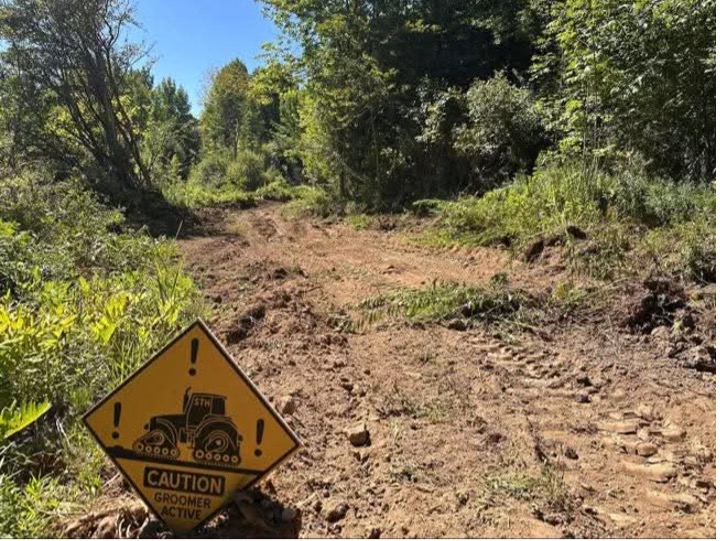
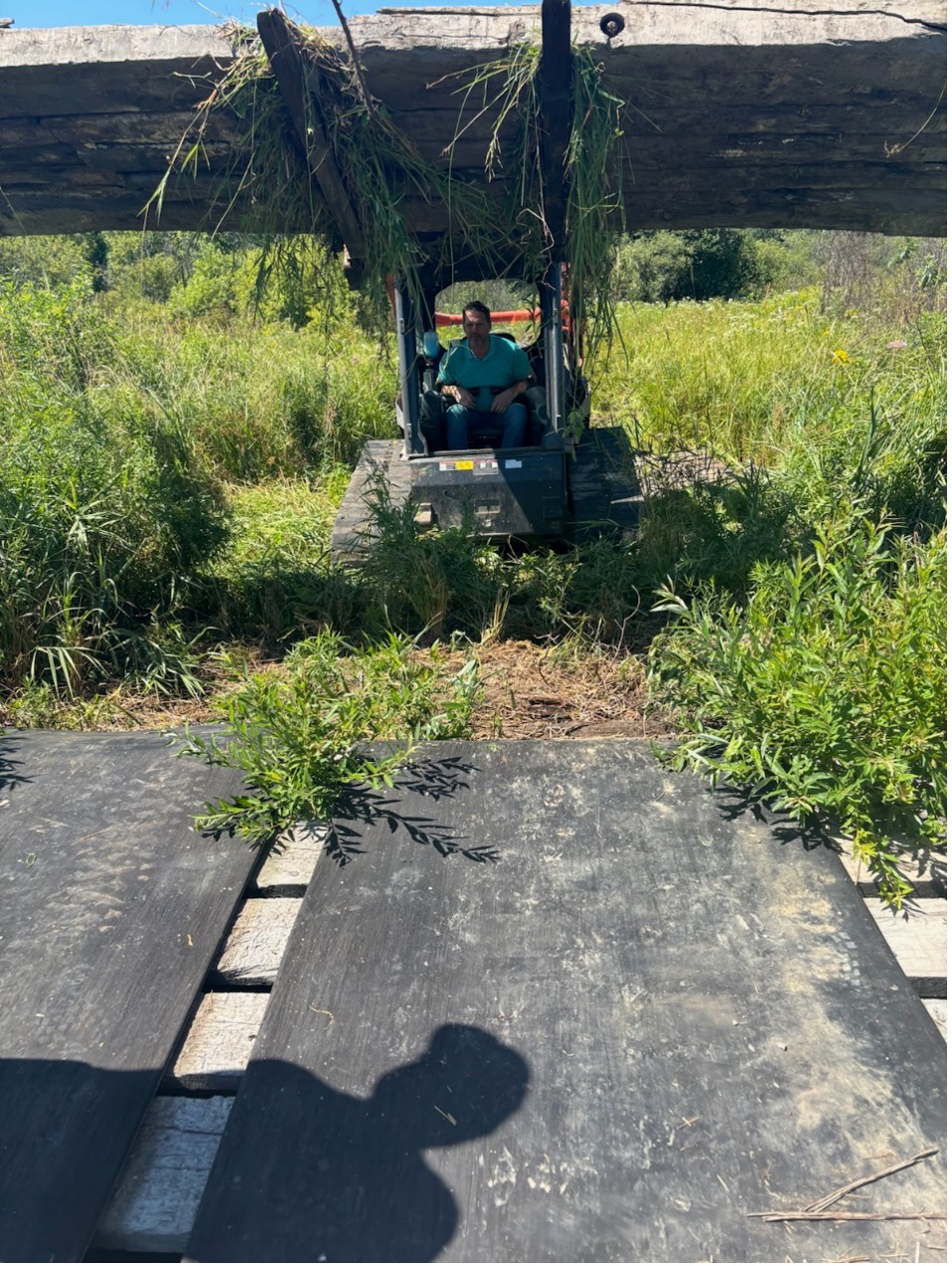
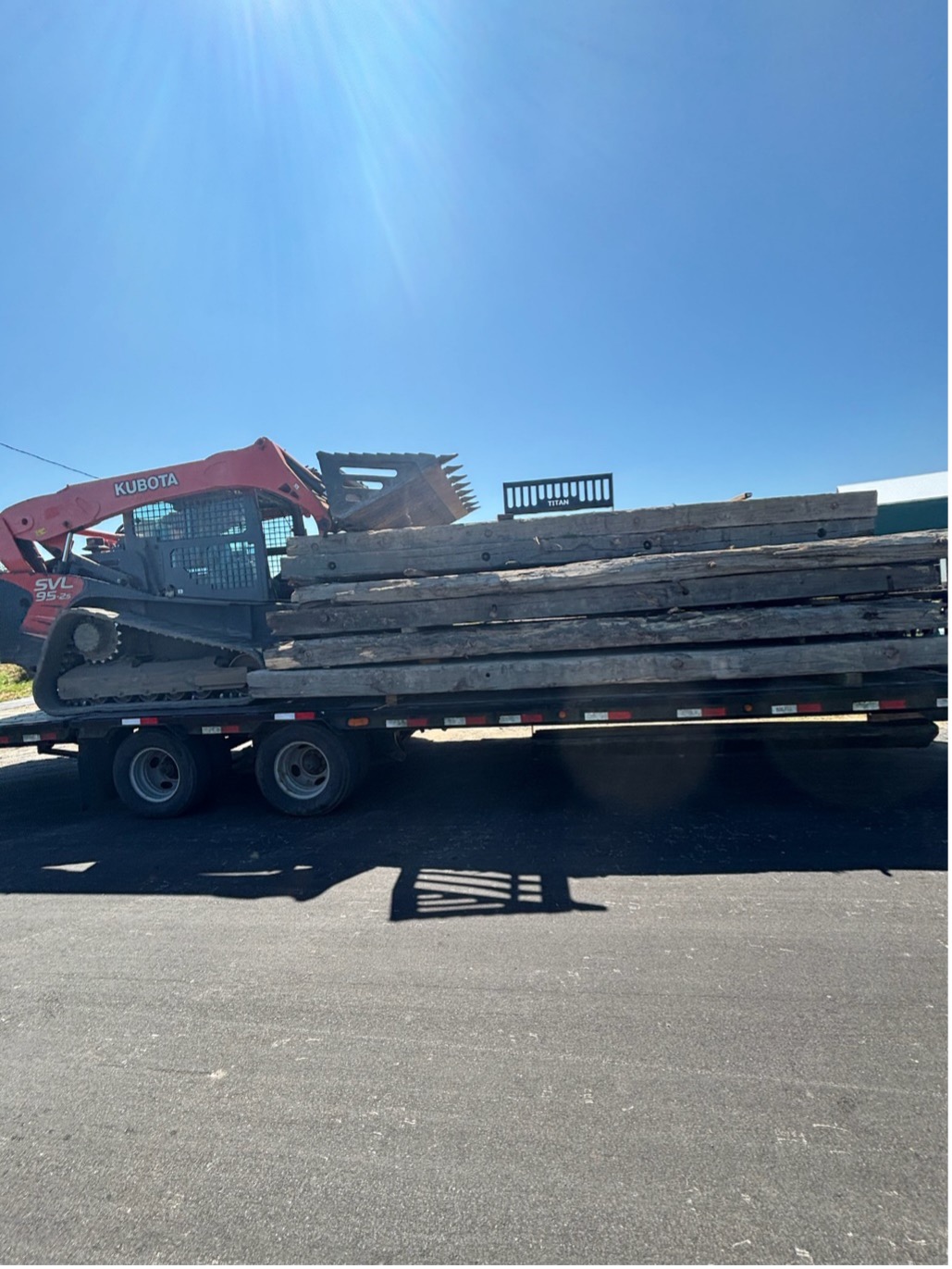
One major project included strategically placing wooden crane mats throughout various wet areas of our trail system. These areas are known to get groomers and snowmobilers alike stuck in early and late season because of low snowfall and warmer temperatures. Placing down these crane mats will give a base to our trail system and will make the trails more reliable and long-lasting.
The crane mats we used in these wet areas vary dramatically in size, with some weighing more than 2,000 pounds. Needless to say, moving them is not an easy feat. This type of work takes planning and coordination while keeping our fingers crossed for good weather. We were blessed with all three being in our favor this year—especially the weather. With hot, dry conditions, we were able to more easily access swampy areas that can sometimes be impassible.
Another big task was a needed re-route of the Constableville trail to maintain an interconnection with our neighbors, Turin Ridge Riders and Lost Trails snowmobile clubs. It all had to be strategically coordinated.
Not only did we have to get landowner permission, but then we had to figure out how and where we were going to clear a trail.
The average snowmobiler probably won’t think twice when riding a given trail, but there is actually a lot involved in its creation and maintenance. There can be ravines, trees, streams or other obstacles that may cause issues.
In this case, after several volunteers hiked this property, it was noticed the shortest route was not the best. There were too many obstacles to overcome, from deep ravines to needing to quite literally build bridges.
Instead, the volunteers soon discovered an indirect route would be the easiest trail to construct by leveling the ground, clearing a few trees and placing a culvert pipe in the ground. The work took a few weekends to accomplish, but we got it done.
For most snowmobilers, the season ends when the days grow longer and the temperatures get warmer. For many dedicated clubs and their members, creating and maintaining a trail network can be a year-around operation. The next time you’re out riding these trails and enjoying the outdoors this winter, take a moment to remember all the work that takes place in the off-season to make your experience enjoyable.
Ride safe, don’t do anything stupid, keep it between the trees and have fun! Let it snow!
It’s Your Turn is an occasional column that allows readers to share their stories, whether it’s about a great ride, a memorial experience or great things your club is doing. If you have a story to share, please submit it to editor@ snowgoer.com. It should be 500 to 800 words and include a photo if possible.