Accessorize Your Ride: Easy Add-Ons That Can Improve Your Snowmobiling Experiences

Coming off of a low-snow winter and with interest rates still a tad bit high, we definitely understand if you feel that maybe this isn’t the year for you to buy a brand-new snowmobile. But that doesn’t mean you have to return with the same-old, same-old setup you had for the last several winters.
Instead, as the new riding season is getting started, now might be a perfect time to update your sled with some parts or accessories to make it more capable of delivering positive experiences on your next adventures.
For several decades, the Snow Goer staff and extended family of contributors have been attaching aftermarket products to snowmobiles and writing about the experience in our product test department (called “Cold Tested” since 2006). And we just may have learned a few things along the way.
After polling our test team, here are our thoughts on potential easy add-ons we’d suggest considering for trail riders. Our list assumes that all maintenance issues have been addressed and the sled is in proper running order. To focus the article, we limited our list to non-performance accessories that physically attach to the snowmobile – so no sled dollies, helmet radios, trailer accessories, service tools, etc.
We’ve also included some “Pro Tips” based on our experiences installing or using the various items in the different categories.
Protect Yourself
The smaller/tighter chassis design and taller seating position of modern snowmobiles leaves riders hanging out in the breeze more than previous sled designs. Plus, there’s science to the fact that you get colder as you age, thanks to slowing circulation, lowering metabolic rates and a thinning of the fat layer directly under the skin. Not that any of us are getting old, of course!
Don’t put up with the biting pain that cold can induce any longer.
It starts with the windshield – a tall or mid-height design may not look as snazzy on the showroom floor, but it can make your riding experiences much more comfortable.
Another key is protecting your hands. Handguards have become an increasingly popular option, both from the factories and the aftermarket.
Whether you use handguards or not, a good set of handlebar gauntlets (a.k.a., hand muffs) is another fine investment. Consider buying a set that can easily be stowed in the luggage or storage areas on your sled so you can use them in the morning or evening when the weather is especially bitter but easily pull them off if temperatures are pleasant at midday.
Adding heat to your riding experience is another option. As the popularity of riding with a heated visor on a full-face or modular helmet continues to increase, adding a plug-in location on your sled is a relatively easy project for anybody who is comfortable running a few wires and drilling a hole.
Installing a heated seat can be a bit more complicated, depending on which sled you own, though the factory heated seats usually aren’t very difficult to install.
Get A Grip
One of the most impactful off-season changes you can make to your snowmobile is altering your traction package.
Any veteran snowmobiler knows that a fresh set of replacement wearbars/runners on the skis will provide more bite up front. But sledders can also alter their sled’s handling by going with more or less carbide inserts, utilizing different shaped host bars or even running a split bar for less darting.
An even bigger change can be made by studding the track. We’re big fans of adding traction studs for the effect they have in the sled’s handling and acceleration and also in shortening stopping distances. The key, though, is matching the right studs to your track, your sled and your riding style.
The major stud brands now each have guides on their websites where folks can enter details on their sled and get a professional prescription on the length of studs and number of studs suggested. Users can also download traction patterns.
Getting a track with pre-studded lugs or installing traction screws into the lugs on an unstudded track is another option that’s become increasingly popular in the last 10-15 years. We consider this an effective middle ground – almost like half-studding, so to speak – where you definitely increase rear grip, but it’s not as much of a hooked-up feeling as traction studs.
Aftermarket skis are another interesting off-season option that can have a huge impact on your snowmobile’s handling. Because of the variety of ski options and how they influence handling in varying ways, it’s a hard subject to cover briefly in an article like this. Do you research, ask your riding buddies about their experiences and know that a change in skis may necessitate a change in your suspension settings.
Carry-All

Now that Yamaha has shown itself to the door, each remaining brand of snowmobile now has an attachment system that makes strapping on a storage bag, spare fuel container or other luggage easy and secure.
From BRP’s LinQ to Polaris’ Lock-N-Ride Flex to Arctic Cat’s new ATACH mounting system for Catalysts, the factories are definitely giving riders some fine options (while also attempting to sop up most of the money that sledders spend on accessory luggage).
There are some fine aftermarket options as well. Over the past several years, we’ve tested the KimpexConnect system and the Up North Technologies LinQ Adapter Bracket Kit on various sleds with great success. And there are still plenty of handlebar bags, tunnel bags, saddlebags, storage pouches and more to consider.
Tech It Up
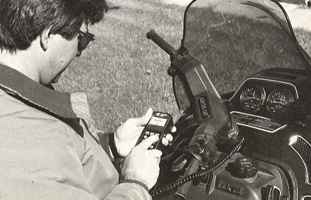
The new, high-tech digital display gauges available on modern sleds that integrate GPS mapping, group ride functions and more have become very popular, and are a major reason some folks buy a new sled. We’ll admit it, we’re among the converted masses. We’ve become huge fans of the Polaris Ride Command and BRP Go!-based systems, and we also came away very impressed with the Arctic Cat/Garmin system found on 2025 Catalyst chassis sleds during testing last spring.
This just in, though: You don’t have to drop $20k on a new sled to get such capabilities. First, if you have a relatively current machine, some of the factory gauges can now be retrofit and integrated. But there are several great aftermarket options as well.
For instance, the Garmin Tread 2 is popular for many offroaders. It features a six-inch display that integrates nicely within a snowmobile’s dash if done properly. Similarly, the aftermarket Trail Tech Voyager Pro Snow offers full GPS connectivity and is compatible with the Polaris Ride Command app and system. For knowledgeable snowmobilers, that’s not a surprise considering that Polaris originally worked with Trail Tech to develop its system before buying the brand in 2017. But the Voyager Pro Snow will work with any brand of sled. Each display, fully loaded with maps, retails for $700-$800.
There are other options as well. Beyond the Ride Command and BRP Go! apps, for instance, the onX Offroad app is very well regarded by some riders we know. Also, some state (like New York) and provincial snowmobile organizations have developed their own, very informative trail apps. Each can be downloaded to a phone, which can then be attached to a sled via Ram, Otterbox or similar mounts. We’ve also seen people load one of those apps to a tablet (iPad, Samsung Galaxy, etc.) and mount the tablet to a sled with great success.
Light The Way
The proliferation of liquid-emitting diodes (LEDs) and related technologies has changed people’s expectations in many ways – from the size/weight/shape of our televisions to how we illuminate garages or trailers to the Christmas lights decorating houses.
LEDs have also made adding lighting to a snowmobile for a variety of purposes a heck of a lot easier. LED lights come in many shapes and sizes, and they are typically light, small and have a very low electrical draw.
Over the last five years or so, we’ve tested a lot of them – including but not limited to factory auxiliary lights and aftermarket LED lightbars that tie into the sled’s stock headlight; low-mounted accent lighting; windshield-, body panel- or handguard-mounted safety lights that cue oncoming riders; and more.
Other Options
Other ideas floated by our trail-riding test team included adding an adjustable handlebar riser, aftermarket grips, handlebar- or dash-mounted mirrors, footwell enclosures, a passenger seat and more.
Clearly there are many ways to accessorize a snowmobile. Whether you choose one, none and all of the above, we’re wishing you many happy miles this winter!