Memory is a funny thing. Depending on when you’re talking – and who you’re talking with – childhood can be remembered as either the very best time in history to be a kid, or as an era so tough that “kids today wouldn’t last a week.”

One minute, the stories are about all of the endless fun and freedom you experienced. The next, they are about walking uphill both ways to school, needing to get a job when you were about 7 years old, and having teachers and elders so strict and quick to use corporal punishment if you stepped out of line that it’s amazing you survived. Same person recalling the same era, with two wildly different takes. I’m certainly not immune to this kind of banter. I try to avoid telling stories of my own teenage rebellion and hard-driving ways one minute and then playing the “what wrong with kids these days” card moments later when I see somebody driving a car too fast for conditions. But ultimately, memory is always selective. With that, I’d like you to join me on a flashback to the 1980s. The decade is often romanticized for its kitschy movies, catchy music, tacky fashions and more frivolity. And, of course, the snowbanks were always THIS high on the end of the driveway back in that era, or at least that’s what you choose to remember. Everybody loved the ’80s, right?
Wrong. Snowmobile historians who are remembering it clearly hate the 1980s for very good reasons.
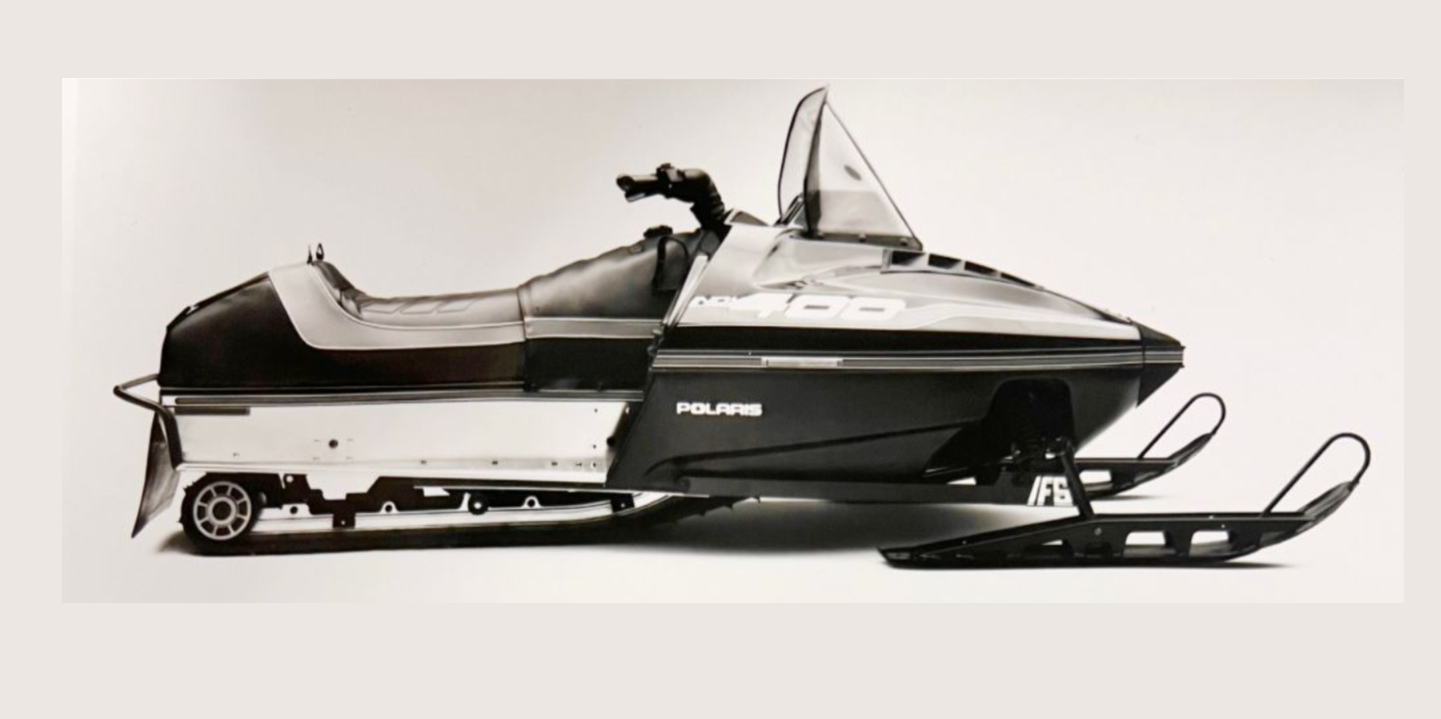
It was an era that had snowmobilers permanently saying goodbye to brands like John Deere, Kawasaki, Manta, Moto Ski and more. It also saw the closure of Arctic Cat for a time and the near-demise of Polaris. The sport was perilously close to having just two brands left: Ski-Doo and Yamaha.
What caused the crash then? Early in the decade, economic headwinds played a role, but the bigger culprit was consecutive years of warm and dry winters that starved the sport (and its enthusiasts) of snow. Sound familiar?
The numbers tell the story. Annual snowmobile sales went from 267,000 units in 1979 all the way down to 87,000 units worldwide in 1983, according to official industry stats. It was the lowest number recorded since 1968. Sales bumped back up to 100,000 units in 1984 but then dipped again to 93,000 in 1985. Naysayers were everywhere, proclaiming “snowmobiling is dead.” How could the sport possibly ever rise again?
Given that context, who could have foreseen the amazing rebirth of snowmobiling in the 1990s? Annual sales shot up dramatically to more than 200,000 units in every year from 1995 to 2002. Then-modern long-travel suspensions, new chassis designs, super-cool triple-cylinder engines and sporty twins, plus most importantly several consecutive strong winters across the entire Snowbelt, sparked new excitement. Snowmobile trails and pitstops were packed, racing thrived and snowmobile-related gear became so cool, you could even wear it to church!
I was reminded of all this during an extended conversation with Tom Rowland, owner of the Thomas Sno Sports dealership in central Minnesota, late last winter. He recalled a story his father once told him.
“In the depths of the 80s, what happened in the 1990s couldn’t seem more improbable , but it happened,” Rowland said. “So who’s to say that can’t happen again 10 years from now?”
Indeed. Ignore the Gloomy Guses and Pessimistic Petes that are always so loud online with their opinions that tear down our sport. Has snowmobiling faced challenges in recent years? Absolutely. But the snow will come again and snowmobiling will rise again. You can bank on it.