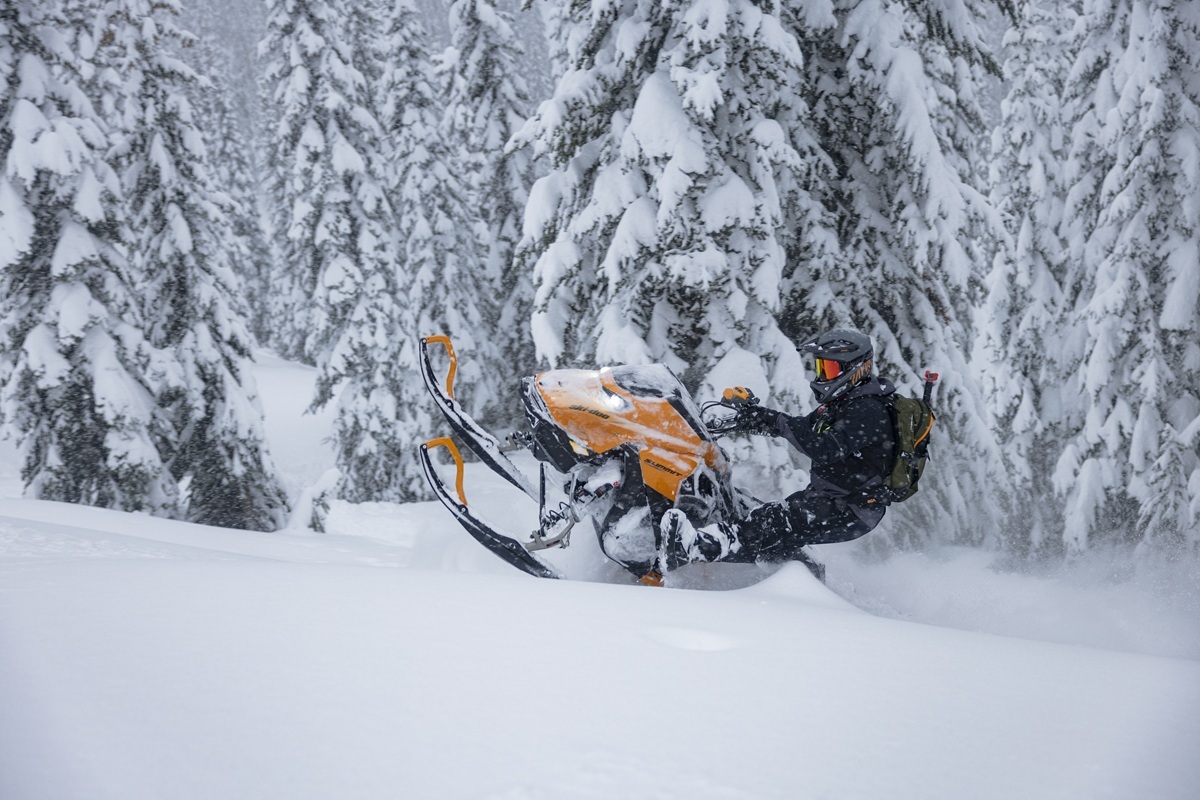
Over the years, snowmobile manufacturers have gone to great lengths to make mountain sleds more maneuverable. Many ideas have come to market—including various track designs, varied shock valving and spring rates, re-positioning the center of gravity, centralized masses and more—all in an effort to make a sled easier to initiate a roll to put a sled on an edge and maintain that position on a sidehill.
Ski-Doo took an entirely different approach beginning in model year 2013 with the tMotion rear suspension paired with the FlexEdge track—a design still used on some models today. It features a split rear torque arm with a center heim joint that allows 2 degrees of pivot left and right. The FlexEdge, meanwhile, uses shorter grauser bars that stop at the track windows. This allows the track’s outer edges to flex and take advantage of the rear arm’s pivot.
This article originally appeared in the December 2025 issue of Snow Goer magazine. That means you could have enjoyed it long ago if you only subscribed! Go ahead and sign up today to get the print or digital edition of the magazine and feed your love of the greatest winter sport ever created.
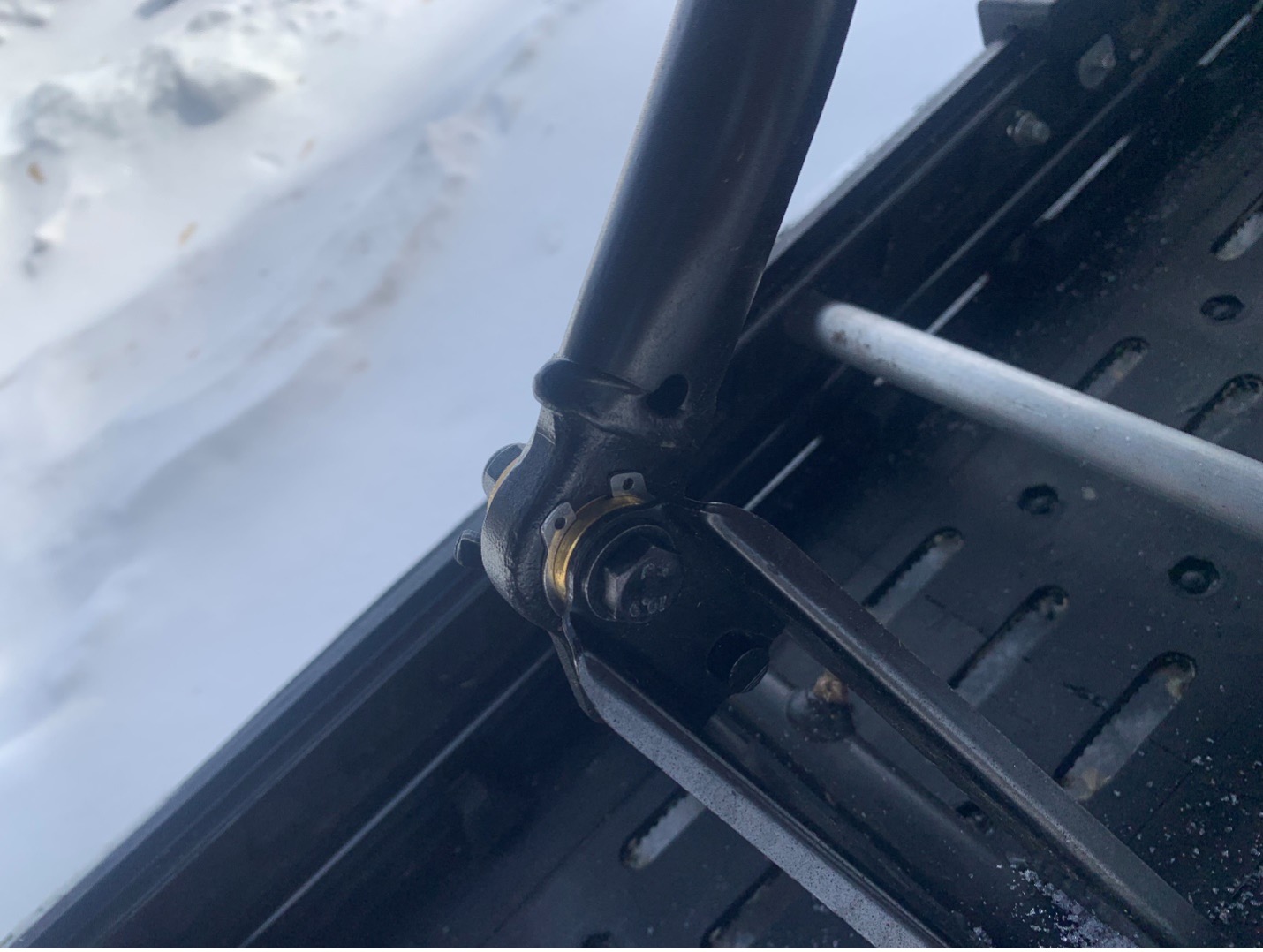
Most riders would agree that this combination reduced the effort to initiate a roll and made so-equipped sleds more maneuverable. However, some riders felt the snowmobile became a little more difficult to control in some situations. For example, when climbing a hill, some riders felt it was harder to maintain a straight line on an uphill climb and the sled wanted to “wander” as it gained traction. tMotion-equipped sleds could also wallow on tracked up sidehills and didn’t feel as natural as designs with a firm rear arm.
In recent years, Ski-Doo proved it’s listening to those riders when it introduced the tMotion XT rear suspension design with a fixed position rear arm on select high-end models. Riders now have a choice between easy pivoting or a more natural feeling. But there’s also a quick, easy and affordable solution from the aftermarket: a tMotion elimination kit, which is offered by several companies.
We chose the Munster T-Motion Delete kit for our test due to its simplicity, low cost and positive word-of-mouth from friends who utilized them. We ordered one for a 2018 Summit X 850 E-TEC with a 16- by 165- by 3-inch FlexEdge track to try it ourselves.
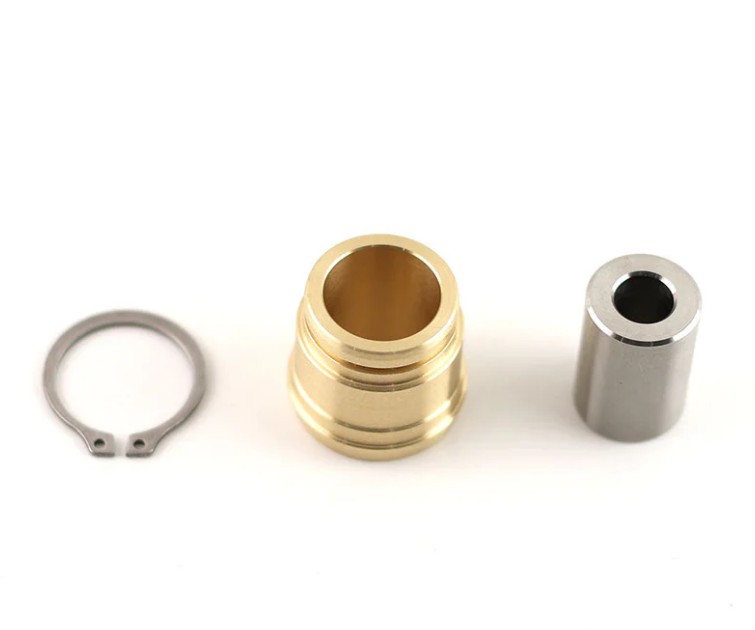
The three-piece kit itself was rather understated when it showed up: a circular brass insert, an inner aluminum bushing and a snap ring. The combination took less than 15 minutes to install. Step-by-step instructions—found on the company website or via scanning a QR code on the packaging—were pretty basic and honestly hardly necessary.
To install, we simply removed the bolt at the center pivot point of the rear torque arm, took out the snap ring, pushed out the existing heim joint bushing and then installed the new components. Having a solid base to pound in the new one was critical. Installing the new bushing was actually harder than expected, but after cleaning away any corrosion and then lubricating the existing surfaces it became easier. The directions said to remove/loosen the torsion springs, but that wasn’t necessary on our sled.
To evaluate the difference, we took our Summit on a four-day trip to Colorado. For the first two days, we rode it in stock form. We then installed the kit and rode two more days in the same snow conditions.
The results were clear.
Without the pivoting heim joint and with the delete kit in place, it took a tad more effort from the rider to get the sled up on its side. However, once we got the sled on edge there was no extra effort needed to keep it there.
In fact, we were better able to maintain our line on a sidehill with the T-Motion Delete due to the increased stability and predictability of the rear of the sled. The Summit didn’t want to wallow off of its intended course as easily. The sled also tracked straighter when climbing a hill—something I especially noticed when climbing a soft powder incline where traction changed from soft powder to catching a frozen rut.