We did something new last winter: We completely ruined a pair of stock skis. Living through a very slow start to the riding season, we were excited to see online that the Tuscobia Trail near Birchwood, Wisconsin, was listed as being “Open.” So, we trailered up there to give it a run and break in a couple sleds. Well, enough of the trail’s jagged crushed stones were mixed in with the light covering of fluffy snow to not only wreck our carbides on a relatively short ride, but we also ruined the actual skis themselves!
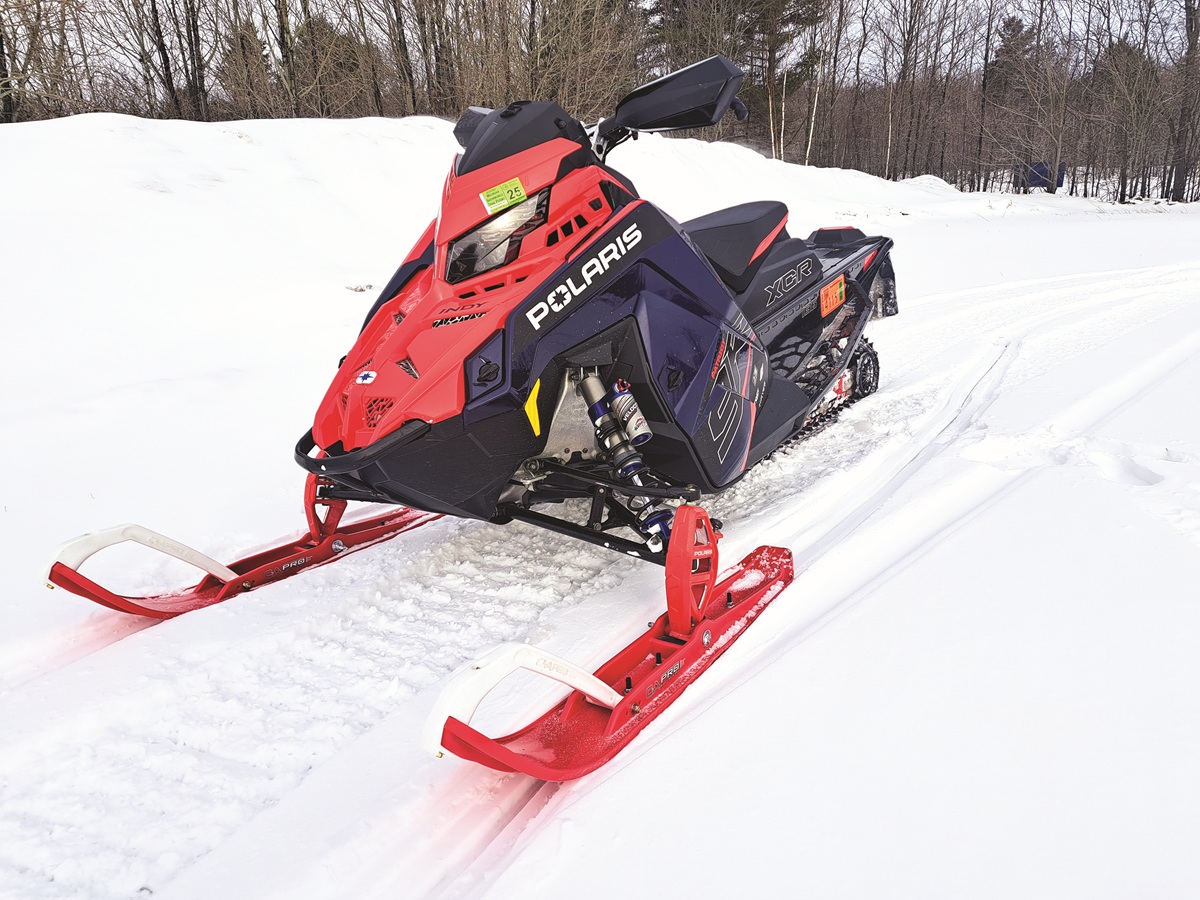
After getting over the horror of the damage we’d caused, we figured this was the perfect opportunity to try a set of aftermarket skis on our 2025 Polaris 9R Indy XCR 136 demo sled. But we wondered: Given the fact that this snowmobile already handles quite impressively with the stock Pro-Steer skis in place, could the aftermarket offer any sort of upgrade?
To find out, we went to the top of the aftermarket trail ski world and ordered a set of XPT skis from C&A Pro.
This article originally appeared in the November 2025 issue of Snow Goer magazine. That means you could have enjoyed it long ago if you only subscribed! Go ahead and sign up today to get the print or digital edition of the magazine and feed your love of the greatest winter sport ever created.
The XPT Story
The C&A Pro brand has been around for a while now. When legendary racer and innovator Dale Cormican first brought the name to the market in the late 1990s, C&A was mostly known for producing particularly deep-keel skis that gave racers and hyper-aggressive trail riders a very positive feeling front end, at the cost of a notable increase of steering effort.
Over the years, the C&A brand has evolved with the snowmobile market. The XPT skis we utilized are so-named it imply “Xtreme Performance Trail.” They were first introduced in 2015 specifically for modern, rider-forward sled designs. Given our choice of colors, we ordered a red set with white loops to give our XCR a custom look.
When mounting them to the bottom of the spindles, we made note of the skis’ relative girth. They felt heavier in the hand than the stock units, though not as bulky as some other aftermarket skis we’ve recently utilized. The C&A website claims a spec weight of 6.6 pounds per ski; our’s weighed 8.2 pounds each, but that was with the ski loop, rubber damper, ski bolt and some Stud Boy Shaper Bars with 6 inches of carbide. The bottom profile of the XPT features an interesting tri-keel design. The center, squared-edge keel is dominant. It basically runs from tip-to-tail and maxes out at about ¾-inch in depth – making it not as intimidating as the older C&A designs but still prominent.
Meanwhile, two smaller, mid-center keels run parallel to the main keel, offset by about 1.5 inches left and right. These shorter keels are intended to help prevent darting and make the ski track straighter, according to C&A. The company says they are about 3/8-inch tall, but they look shorter to the clothing-optional eye.
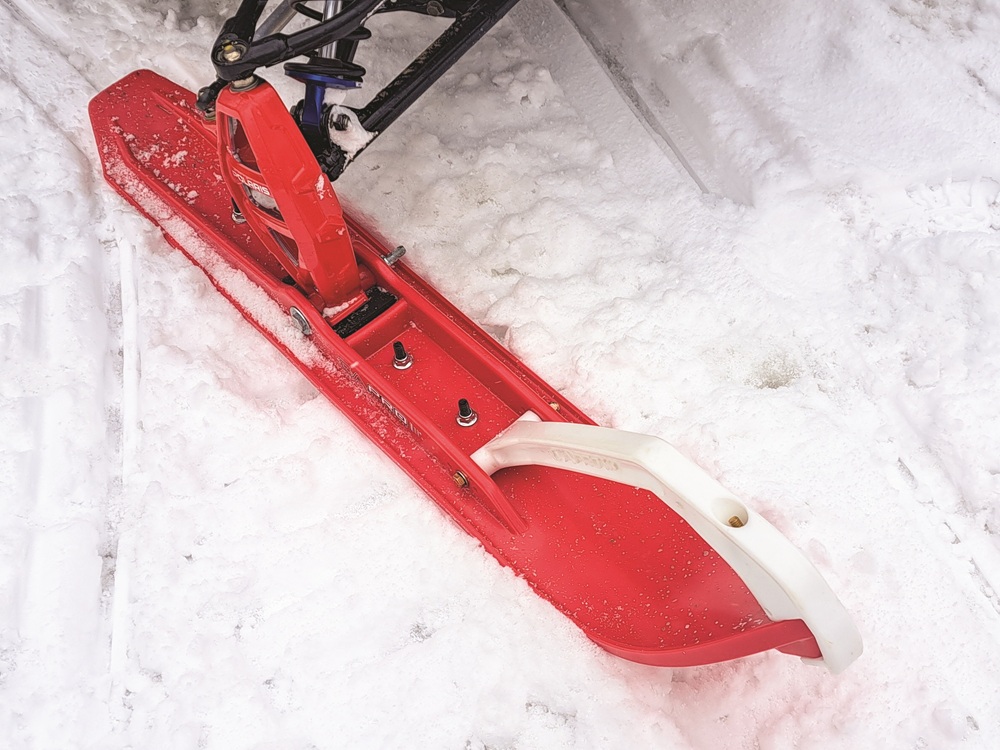
As stated when talking about weight, we outfitted our skis with Shaper bars, giving them another squared-off edge to help when turning.
When we took our XCR down the trail with the C&A XPTs attached, the front end of the sled felt stable and controllable. From the seat of the pants, we estimated around a 20 percent more positive/glued to the trail feel than our XCR had with the stock skis, and the required steering effort also increased slightly. The XPTs certainly didn’t change the characteristics of the Indy XCR. Instead, they enhanced it with firmer, more dialed-in handling and a cool custom look.
Off the trail, the wider C&As floated in deep snow better than the Pro-Steers, which tend to knife through the surface layer. Over the season – in conditions that varied from loose snow to hard pack to off-trail playgrounds – we felt confident with the C&A’s guiding us around.
Our review may sound like the C&A XPT’s didn’t make a very big change – and frankly, they didn’t. But we consider that a good thing. With how well the modern Polaris sleds in the Matryx chassis handle in stock trim, more of an impact may have screwed things up. That said, after spending a winter with C&As onboard our XCR, we’re confident the XPTs would make a bigger handling difference on pre-Pilot RX-equipped Ski-Doos and trail-based Arctic Cats, which have tended to be less aggressive in their ski designs.