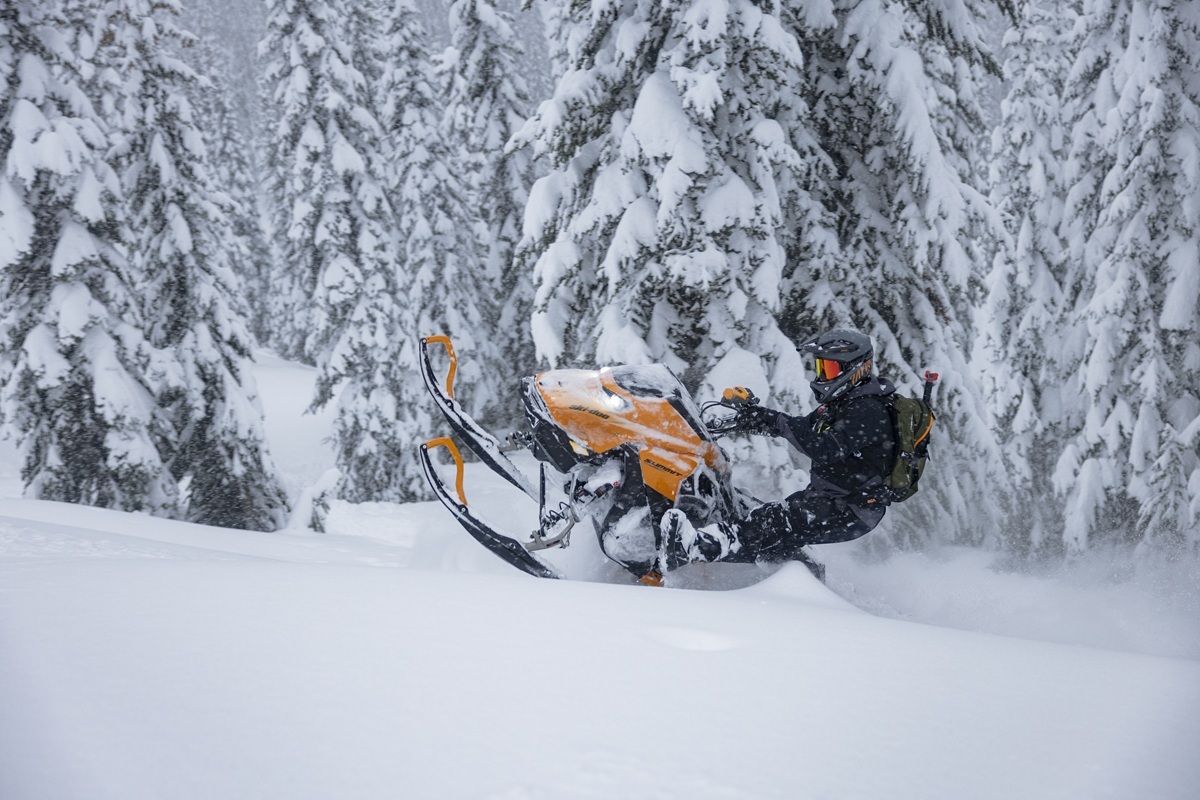
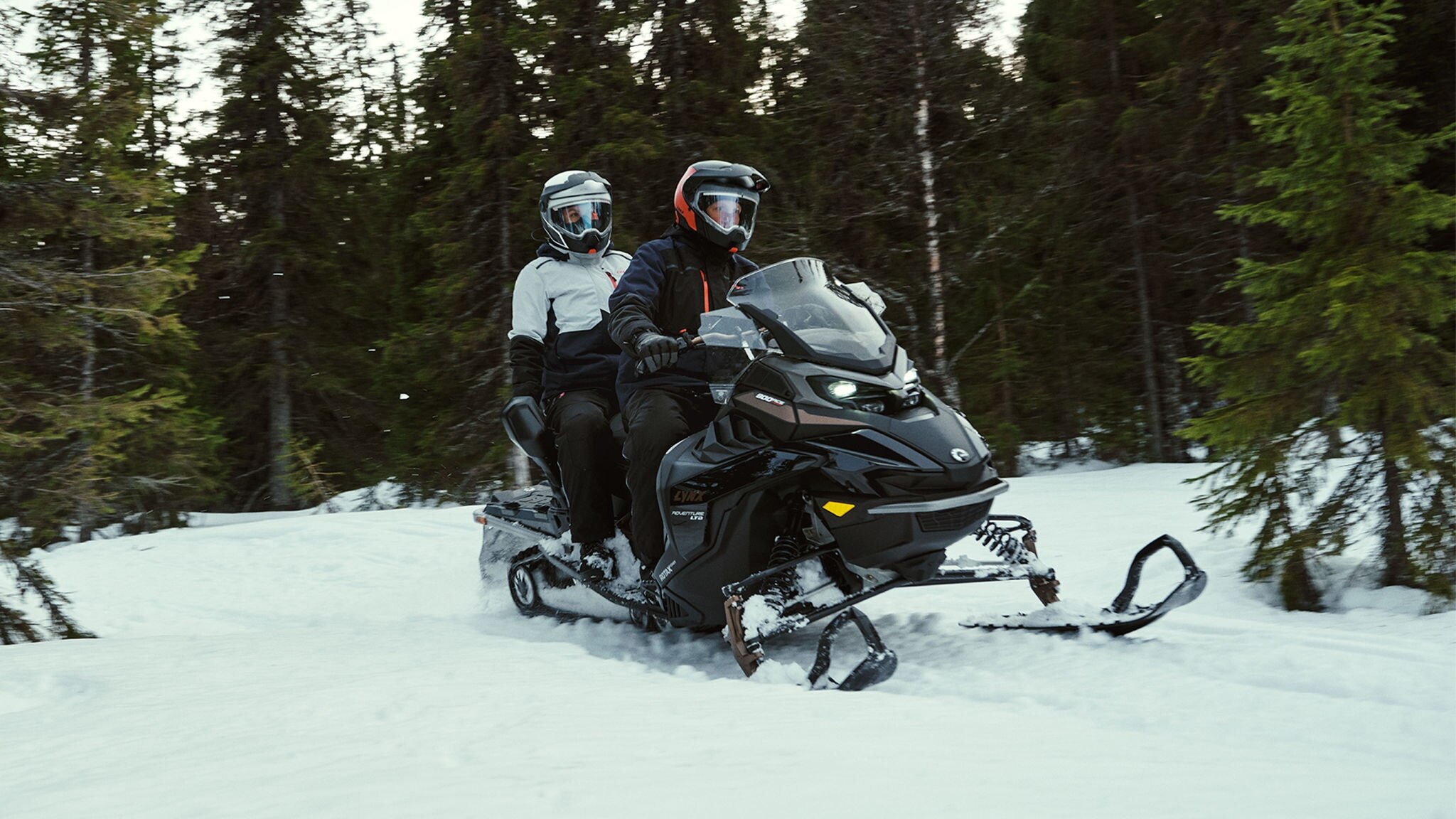
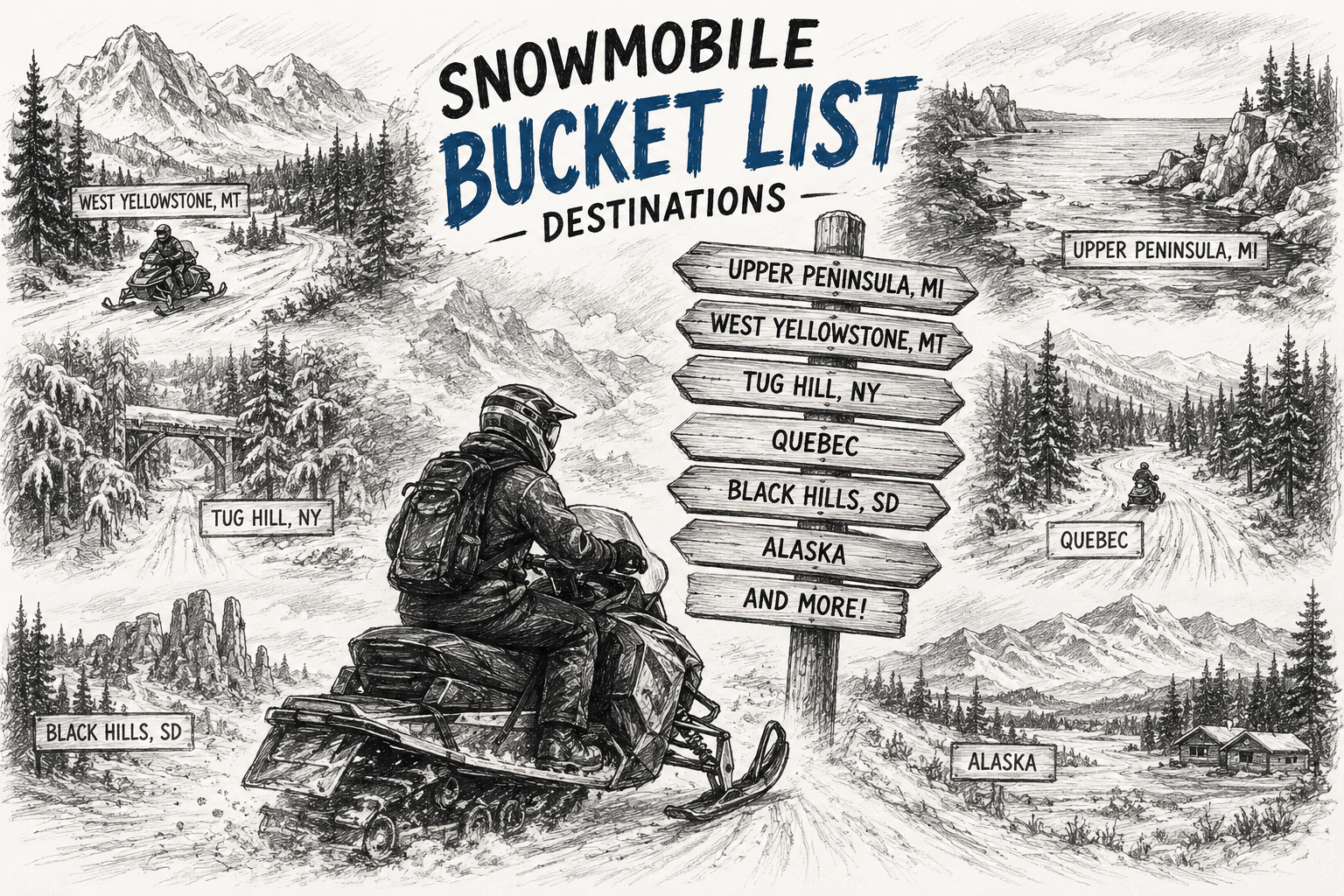
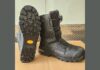
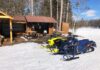
Early-season snowmobiling sounds appealing—fresh snow, empty trails, and the chance to be among the first riders out—but the reality is a little more nuanced. In practical terms, “early season” typically refers to the window between late November and mid-December. That’s when snow begins to accumulate enough to support riding in certain regions, though consistency is far from guaranteed. By mid-December, conditions start to stabilize, but the true peak season doesn’t arrive until January through March, when snowpack is deeper, trails are fully open, and riding is at its best.
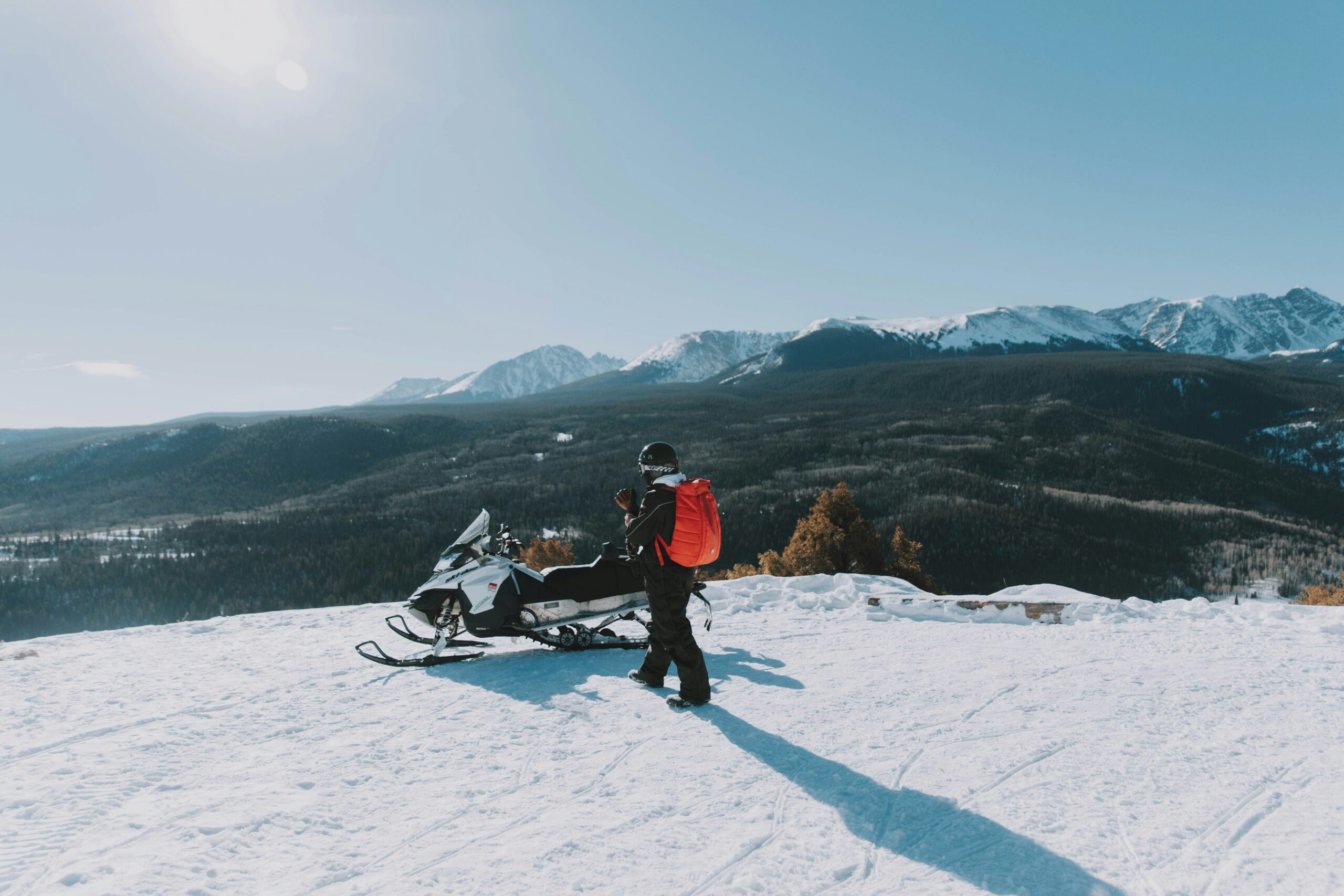
Early Season Conditions
As for October riding, the short answer is no—at least not in any meaningful way. Outside of rare, high-elevation or glacier-based riding, October conditions are simply too thin and unpredictable. Even in areas that see early snowfall, there’s rarely enough base to protect your sled from rocks, stumps, and other hazards. November is when things start to shift. In the right locations, particularly at higher elevations or farther north, it is possible to ride. But even then, expectations need to be managed. Early-season November riding often means limited terrain, ungroomed or partially open trails, and conditions that can change dramatically from one day to the next. It’s less about planning a polished trip and more about taking advantage of a window when it opens.
Where to Ride?
If you’re determined to ride early, certain destinations consistently offer better odds. Quebec stands out as one of the most reliable regions, especially areas like the Monts Valin in the Saguenay region. Thanks to higher elevation and colder temperatures, this area can see rideable snow earlier than most, sometimes even in November. Northern Quebec’s broader trail systems also benefit from cold conditions and fewer water crossings, allowing trails to open earlier than in other parts of Canada.
Northern Ontario is another option, with areas like Cochrane, Hearst, and Dubreuilville often seeing early snowfall. These regions rely on forest road systems that can pack down quickly, though trail openings can still be delayed if water crossings haven’t frozen solid.
In the western United States, Wyoming’s Togwotee Pass is one of the most dependable early-season destinations. Its elevation helps build snowpack quickly, making late November riding possible in good years. Similarly, West Yellowstone, Montana, typically offers early access to both groomed trails and backcountry terrain as the season begins.
Colorado can also see early riding in select high-elevation zones, but it’s far less predictable. Conditions there are heavily dependent on early storms, and coverage can be inconsistent. Riders heading to Colorado early in the season need to be especially flexible and prepared for changing conditions.
Why Ride Early?
The appeal of early-season riding is easy to understand. Trails are quiet, crowds are nonexistent, and if you time it right, you might find untouched snow. It’s also a great opportunity to shake down a new sled or test gear before the main season kicks in. But there are trade-offs. Snow coverage is often thin, increasing the risk of damage. Trails may be closed or only partially open, and you can easily find yourself riding through patchy conditions or even running out of snow entirely.
Ultimately, early-season snowmobiling is about managing expectations. For riders who simply want to get out as soon as possible, chasing early snow in regions like Quebec, Wyoming, or Montana can pay off. But for those planning a full trip with consistently good conditions, waiting until mid-December—or even later—is a smart move.